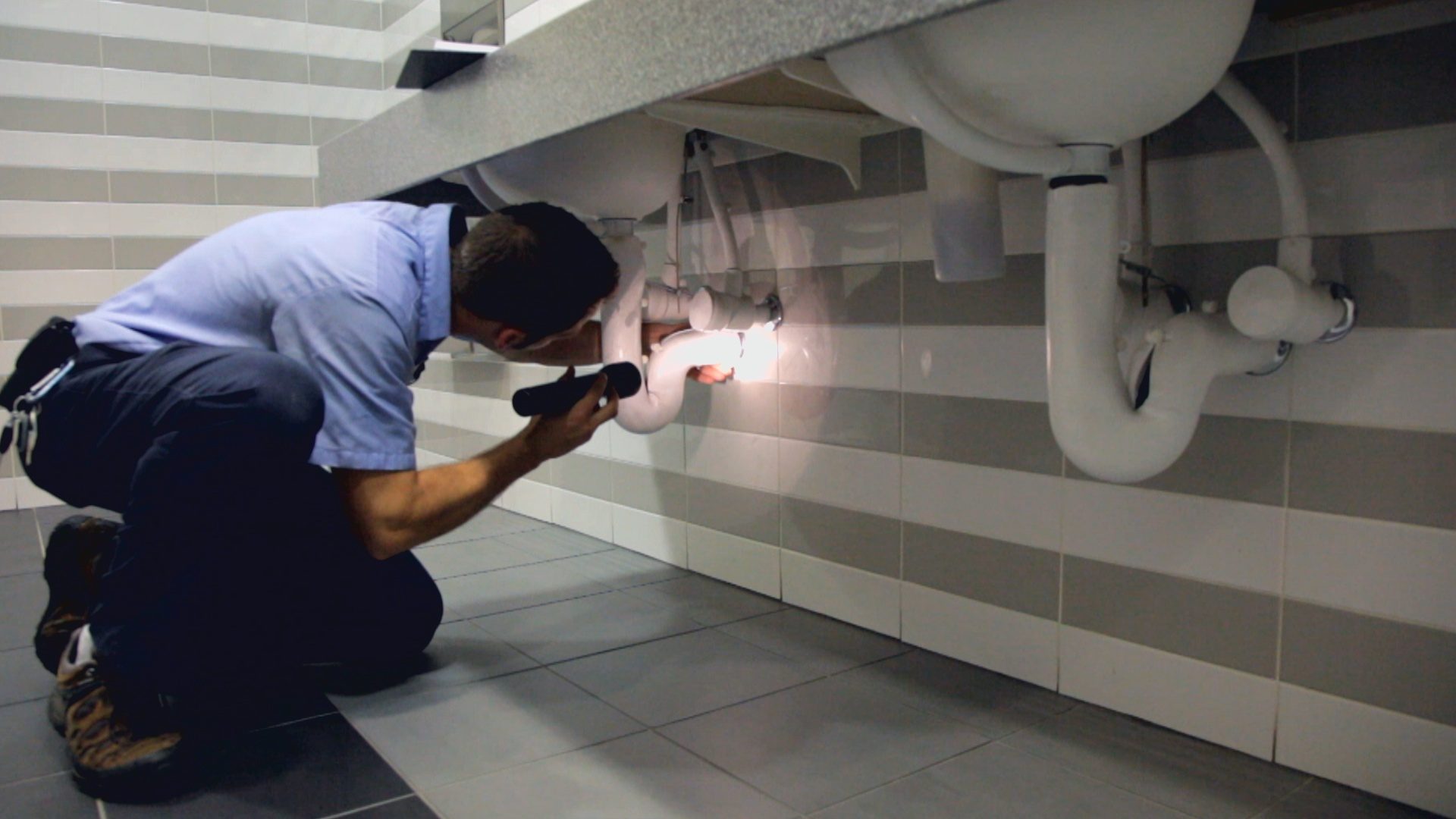
Yesterday we wrote about how destination restaurants are becoming part of the identity and leasing strategy of New York’s best office buildings.
That creates opportunity.
It also creates a management challenge.
Once a restaurant is part of the building experience, pest control can no longer be treated as something that happens only inside the restaurant.
It becomes a building issue.
Pests Do Not Respect Lease Lines
A restaurant may have its own pest-control company.
The landlord may use another.
The landscaping contractor may notice rat activity outside.
Engineering may discover openings around utility penetrations.
Cleaning staff may see droppings or flies in service areas.
That sounds manageable until something goes wrong.
Then the restaurant blames the building.
The building blames the restaurant.
The restaurant’s vendor says the problem is coming from outside.
The building’s vendor says the problem began in the kitchen.
Meanwhile, the pest problem continues.
Mice, rats, cockroaches and flies do not care which contractor is responsible.
That is why high-risk food tenants need coordination and oversight.
Restaurants Change the Building’s Risk Profile
A restaurant brings more food into the property and creates more food waste.
That means more deliveries, more garbage, more activity at loading docks and service entrances, and more opportunities for pests to find food, water and shelter.
The exterior matters too.
Rat burrows in landscaped areas can become an indoor problem.
Birds roosting over restaurant entrances can create droppings on awnings and sidewalks.
Open service doors can become entry points for rodents and flies.
A restaurant pest problem can spread into other parts of the building, and a building condition can create a restaurant pest problem.
That is why management should look at the entire property instead of treating each tenant space as an island.
Property Managers Need Visibility
At a minimum, property managers should know what kind of pest-control program a restaurant tenant has in place.
How often is service being performed?
What pest activity is being found?
Are recommendations being made?
Are they being corrected?
Is activity staying inside the restaurant, or is it appearing in common areas, basements, loading docks or adjacent spaces?
Those are management questions, not just pest-control questions.
For some properties, it may make sense to provide a coordinated pest-management program through the building and include it in common area maintenance.
That approach can create consistent service standards, better documentation and clearer accountability.
The Exterior Is Part of the Experience Too
The premium experience begins before a visitor walks through the door.
Bird droppings across an awning or entrance can make a luxury property look neglected.
Rat burrows in planters can undermine expensive landscaping.
Garbage and pest activity around loading areas can eventually migrate toward customer-facing spaces.
These problems are easier to manage when they are found early.
That is where Integrated Pest Management matters.
A good program should not simply react to sightings. It should look for the conditions that support pest activity and correct them before they become visible problems.
The Best Programs Are Coordinated
At Bell Environmental, we believe commercial pest management works best when property management has a clear view of what is happening throughout the building.
That means communication between the building, restaurant tenant and pest-control provider.
It means monitoring activity rather than waiting for complaints.
It means correcting structural and sanitation issues.
And it means making sure an issue in one space does not quietly become a problem somewhere else.
The more important the restaurant becomes to the building’s brand, the more important that coordination becomes.
A high-profile restaurant may help create the experience.
A well-run pest-management program helps preserve it.
Learn more about Bell Environmental’s commercial pest-management approach: