A Parent’s Guide to Post-Camp Bed Bug Prevention — and When a Canine Inspection Makes Sense
Your child came home from sleep away camp with dirty laundry, camp sweatshirts, friendship bracelets, a duffel bag that somehow weighs twice what it did in June — and hopefully a summer full of great memories.
There is one souvenir you definitely don’t want coming home with them: bed bugs.
Recently, Bell Environmental received a call from a nervous family whose child was returning from overnight camp. The parents had received an email from the camp explaining that several campers had developed suspicious bites and that bed bugs were believed to have been found in a small number of beds.
According to the communication, camp staff inspected the affected sleeping areas, replaced the beds and mattresses in those areas, sent linens and other items through a high-heat laundry process, and checked for concerns including broken windows or screens. The camp said it had found no signs of bed bugs elsewhere and expressed confidence that the affected bunks were free of bugs.
The parents wanted to know:
Should we be worried about our child bringing bed bugs home?
To tell the truth, YES.
Not because we know the camp’s efforts failed. We don’t. And the email may not have described every step the camp actually took.
But the steps described in the email leave some important bed bug questions unanswered.
Bed Bugs Aren’t Just a Mattress Problem
Replacing a mattress or bed may sound like an aggressive response. And putting clothing and bedding through an appropriate high-temperature dryer is absolutely an important bed bug control measure.
But bed bugs don’t restrict themselves to mattresses.
They can hide in bed frames, headboards, furniture seams, cracks and crevices, baseboards, behind wall coverings and in other protected locations close to where people sleep. EPA guidance recommends an integrated approach that includes inspection, treatment and continued monitoring—not simply addressing the most obvious item in the room.
That is why, when we read a bed bug communication like this, our questions go beyond, “Were the mattresses replaced?”
We want to know:
- Was a professional pest management company involved?
- Was the presence of bed bugs actually confirmed?
- How thoroughly were the affected bunk and surrounding areas inspected?
- Were adjoining sleeping areas inspected?
- Were bed frames, furniture, cracks, baseboards and other potential harborages evaluated?
- What about campers’ luggage, duffel bags, sleeping bags and other personal belongings?
- Was there a specific bed bug treatment?
- What monitoring or follow-up inspection was planned to determine whether the problem was actually gone?
Those details matter.
The EPA specifically recommends monitoring after bed bug control efforts to help determine whether eradication has actually been achieved.
What About the Windows and Screens?
Checking a torn screen makes sense when you’re investigating unexplained insect bites generally. Mosquitoes and other biting insects can certainly enter from outdoors.
But bed bugs are different.
Bed bugs are great hitchhikers. They move from one place to another primarily by traveling with people and their belongings—luggage, clothing, bedding, boxes and similar items.
A repaired window screen isn’t going to stop a bed bug riding home inside the seam of a camp duffel bag.
That’s the part parents need to think about when camp ends.
Bed bugs are not a cleanliness issue. They are a movement issue.
And summer camp involves an awful lot of movement.
Hundreds of children arrive with trunks, backpacks, bedding and clothing. Campers travel, change bunks, visit other areas and eventually pack everything back up and bring it home.
Nobody wants their son or daughter getting bitten at camp. But once camp ends, there is another practical concern:
You don’t want a problem that existed somewhere else becoming a problem in your home.
So What Should Parents Do When Their Camper Comes Home?
Don’t panic. You also don’t need to throw away everything your child took to camp.
You do want to be deliberate about unpacking.
1. Don’t bring the camp duffel straight into the bedroom.
Unpack in a controlled area rather than putting luggage, backpacks or bedding on a child’s bed.
EPA travel guidance similarly recommends keeping luggage away from beds and carefully inspecting it when returning home.
A laundry room, garage or other appropriate area can make it easier to sort belongings before they spread throughout the house.
2. Let the dryer do some work.
For clothing, bedding and other dryer-safe items, the EPA currently recommends 15-20 minutes in a dryer on medium-high to high heat to kill bed bugs. Washing alone generally is not sufficient.
Bell has long recommended using the dryer as one of the simplest defenses after travel, college or summer camp.
Don’t forget the less-obvious fabric items—provided they can safely tolerate the dryer.
3. Inspect the luggage itself.
Look carefully at:
- seams
- folds
- pockets
- zippers
- handles
- straps
- sleeping bags
- backpacks
- toiletry bags
- other personal belongings
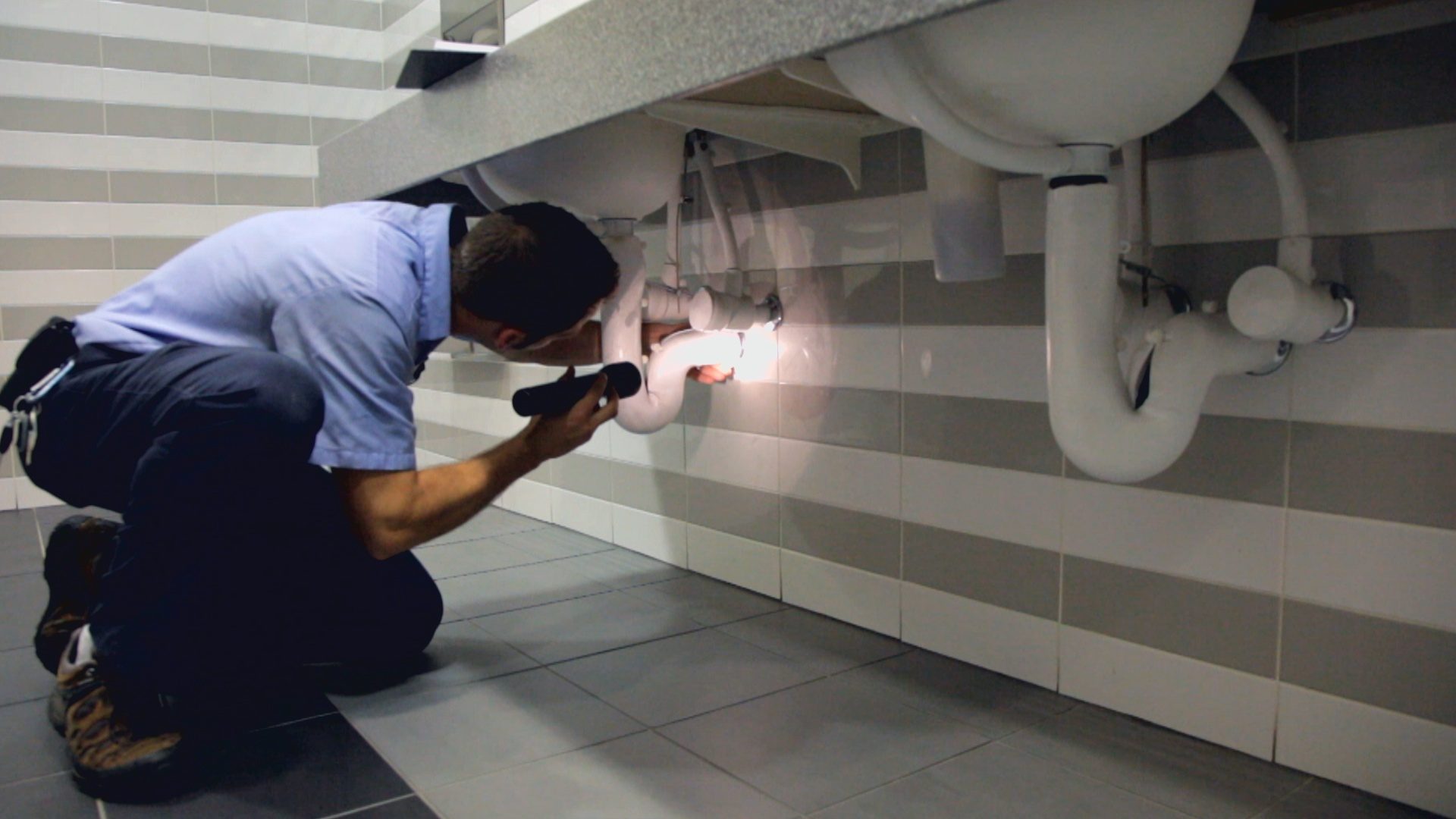
A flashlight helps.
EPA specifically recommends carefully inspecting luggage after returning from travel and storing suitcases away from sleeping areas.
4. Keep questionable items contained.
If something can’t go into a dryer and you’re concerned about it, don’t carry it from room to room while deciding what to do.
Keep potentially exposed items contained and contact a bed bug professional for guidance.
5. Don’t use bites alone to diagnose the problem.
This one is important.
A bite or rash does not automatically mean bed bugs. Many things can cause skin reactions, and some people don’t react to bed bug bites at all.
Conversely, CDC notes that visible bite reactions can take as long as 14 days to develop in some people.
So “nobody has bites today” isn’t the same thing as proving that nothing came home.
When Does a Canine Bed Bug Inspection Make Sense?
This is where Roscoe and Bell’s other canine detectives can help.
Bed bugs are extraordinarily good at hiding. A family may have a genuine reason for concern—an exposure notification, unexplained bites or suspicious camp belongings—without being able to actually find an insect.
A professionally trained bed bug detection dog searches for the scent associated with live bed bugs and viable eggs, rather than relying only on what someone can see with a flashlight. Bell’s canine teams use the dog’s findings together with the handler’s inspection and the circumstances surrounding the suspected exposure.
That distinction matters.
A canine inspection isn’t treatment, and Bell does not consider one canine alert in isolation to be automatic proof that an infestation exists. The handler evaluates the alert along with visible evidence, property history and other findings before recommending what should happen next.
Canine detection can be particularly useful when the question isn’t:
“How do we treat this infestation?”
but rather:
“Did anything come home with us?”
That’s exactly the question many parents have after receiving a bed bug notification from a camp, hotel, college, dormitory or other place their family has stayed.
Research has demonstrated that properly trained dogs can identify the scent of live bed bugs and viable eggs, although real-world performance can vary among dog-and-handler teams. That’s another reason the canine should be viewed as part of a professional inspection process rather than as a magic yes-or-no machine.
Roscoe’s Post-Camp Rule
Bring home the photos.
Bring home the friendships.
Bring home the camp sweatshirt.
Leave the bed bugs behind.
If your child just returned from sleepaway camp, start with the simple prevention steps above.
If the camp notified you about possible bed bug activity, your child has unexplained bites, you find something suspicious in their belongings, or you simply have a legitimate reason to believe they may have been exposed, don’t guess and don’t start randomly spraying. Get the home inspected.
Bell Environmental’s trained canine teams inspect homes throughout the New York metropolitan area, including New York City, Northern and Central New Jersey, Long Island, Westchester and Rockland Counties, and Southwestern Connecticut.
Because after spending an entire summer making memories at camp, the only thing that should still be hanging around in September is the stories.
Concerned your camper may have brought home an unwanted hitchhiker?
Contact Bell Environmental at 877-376-1775 to discuss whether a canine bed bug inspection makes sense for your family.